
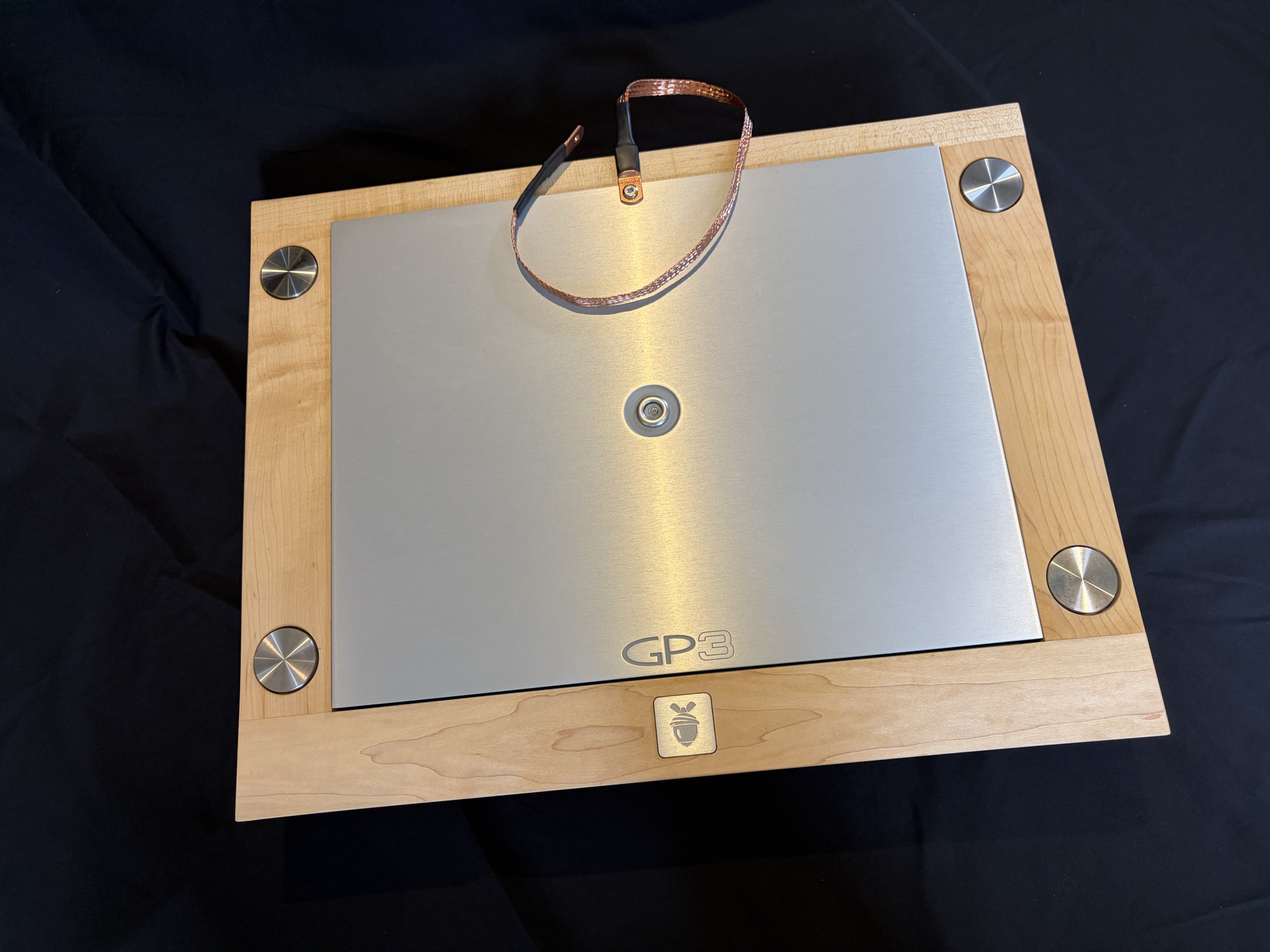
Testing the TOUGH NUT GP Series Isolation Platforms ability to absorb EMI & RFI
Do they create quieter operating environments so all your components can perform at their very best?
ArtistCloner is consistently recognized as one of the best & most popular exhibitors at the Montreal Audiofests and often has a lineup out the door waiting to experience his latest creations. Sylvio isn’t one of those fabricators who labours relentlessly over sourcing the perfect capacitors for his signature components, he simply fabricates them himself. He’s that talented !
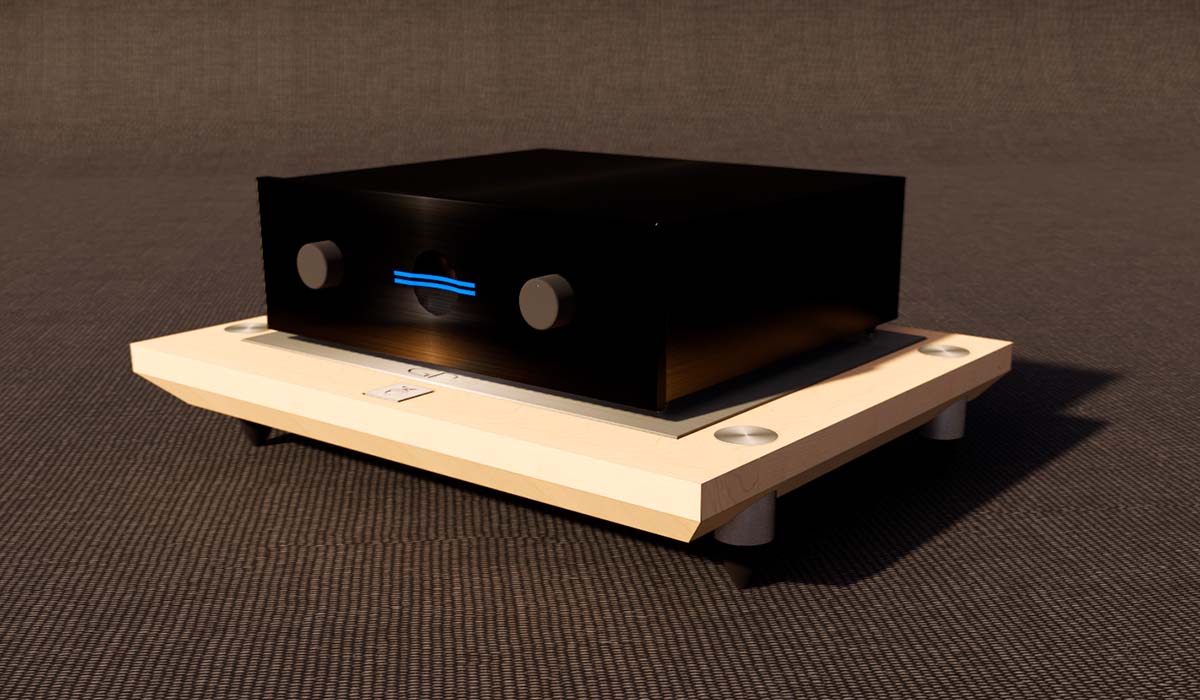
At the time of our initial meeting, I explained our in-depth testing for seismic vibration, but that I also believed the conductivity of the aluminum constraining plate was making a significant contribution to absorbing EMF & RFI emissions, hence the success of our GP series Isolation Platforms with solid state components. I also hypothesized that incorporating a signal ground to the aluminum constraining layer would cleanse the plate, freeing it to absorb the emissions more effectively. Sylvio looked at me and said “Yes on both counts, just test them !” Amazing I thought, which was quickly followed by, wait…how? That’s when Sylvio suggested that he would be happy to support us and utilize ArtistCloners equipment for the testing exercise. Of course, this meant that we needed to provide him with one of our GP Isolation Platforms, and we chose our middle unit, the GP2.
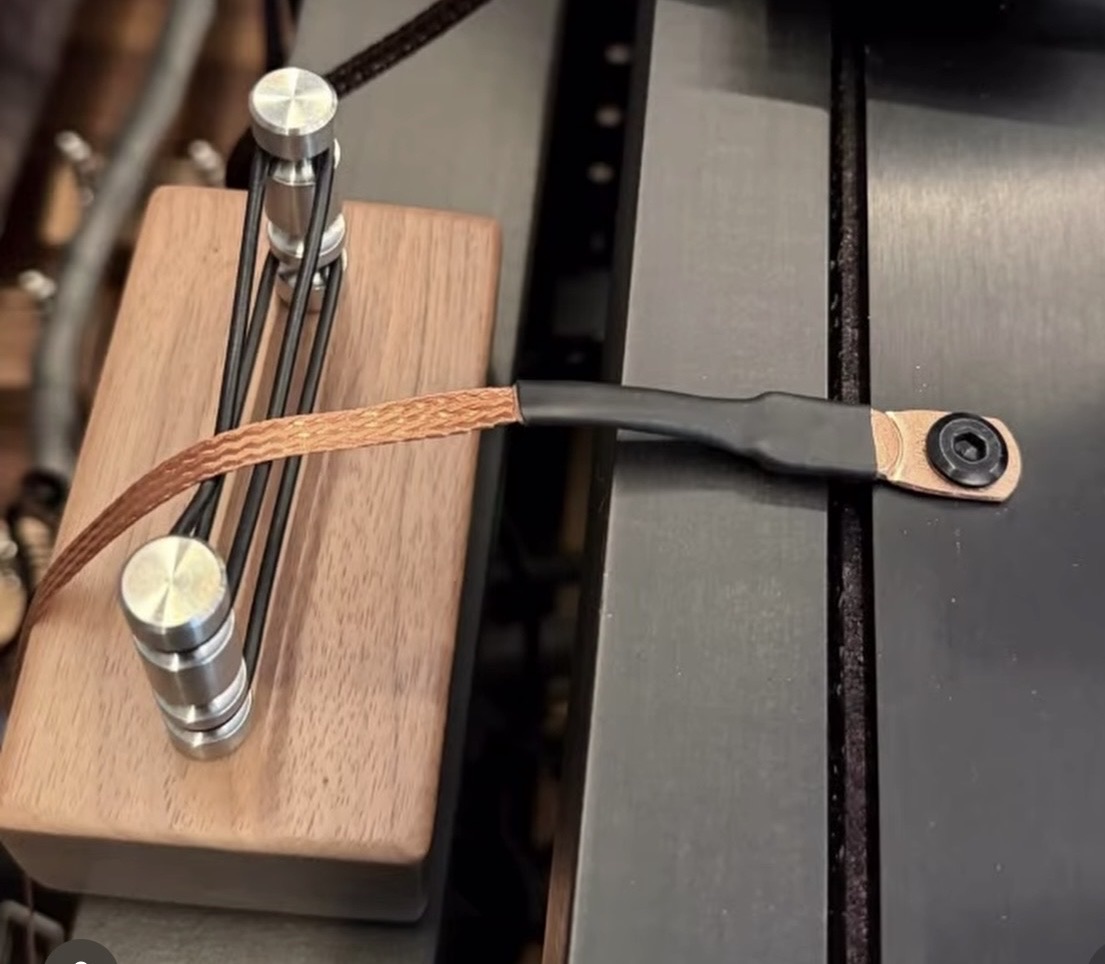
Needless to say, the outcome of the testing proved exactly what we were hoping for. Our Isolation Platforms were absorbing EMI and RFI emissions that restrict all components to perform at their quietest. Sylvio made the recommendation to transition from a common audio ground cable to a woven copper cable in that it was much more effective at transferring the EMI & RFI to ground.
Below is a summary of Sylvia bench tests, accompanied with his audible observations for the GP2 Isolation Platform.
Thank you Sylvio for your generous support and expertise with this testing !


Test findings provided by Sylvio Comtois.
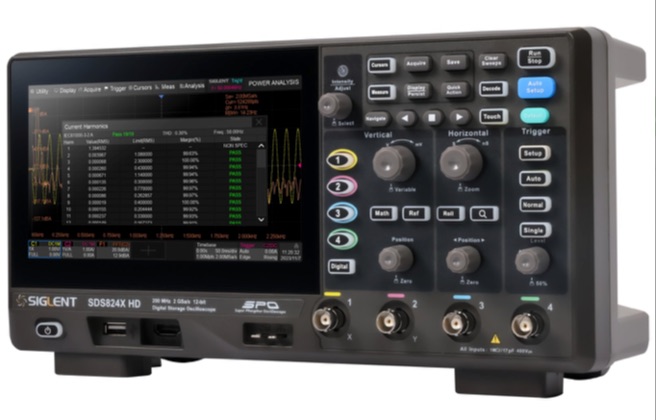
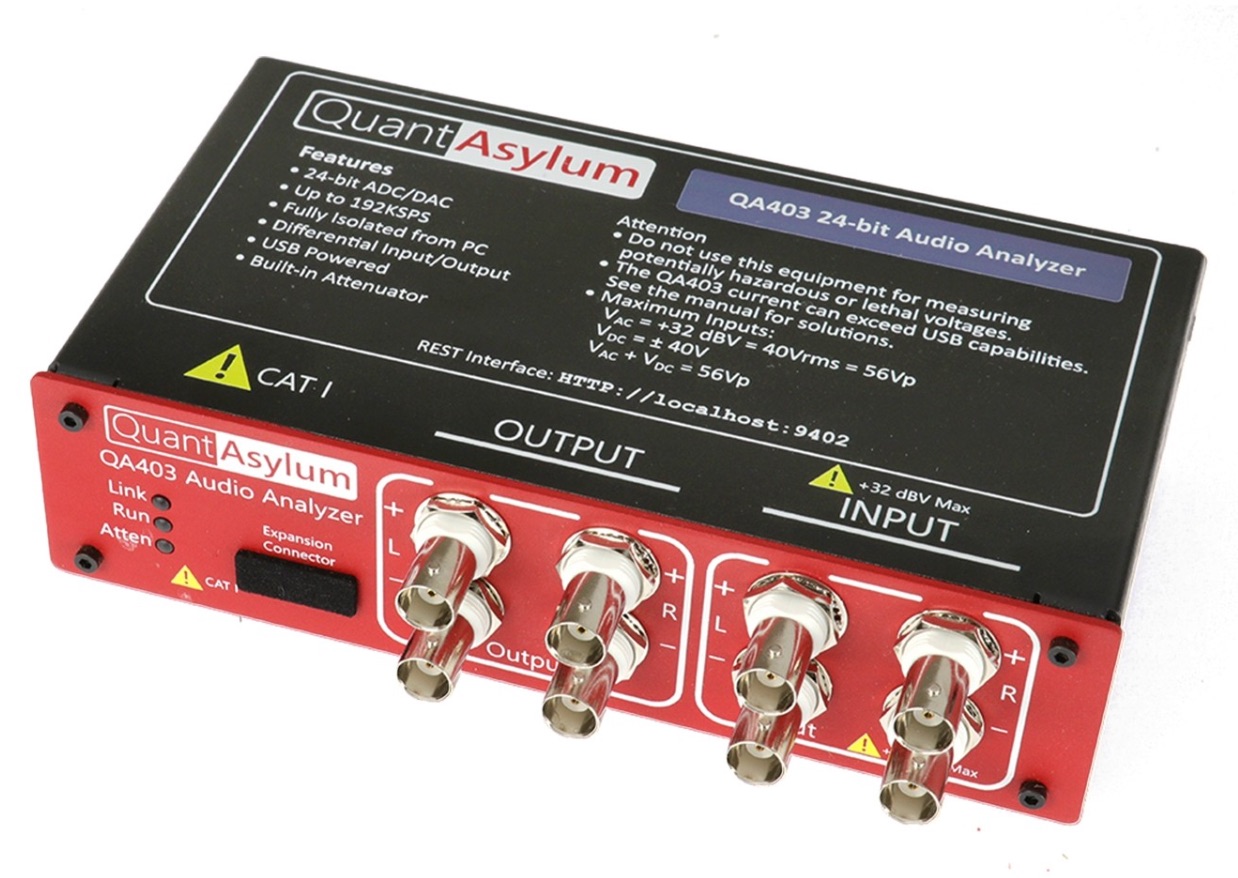
Testing equipment included the Quant Asylum Q403 Audio Analyser and the Siglent 824X HD Super Phospher Oscillascope.
Test conditions represented below in Graphs 1 through 4.
GRAPH #1
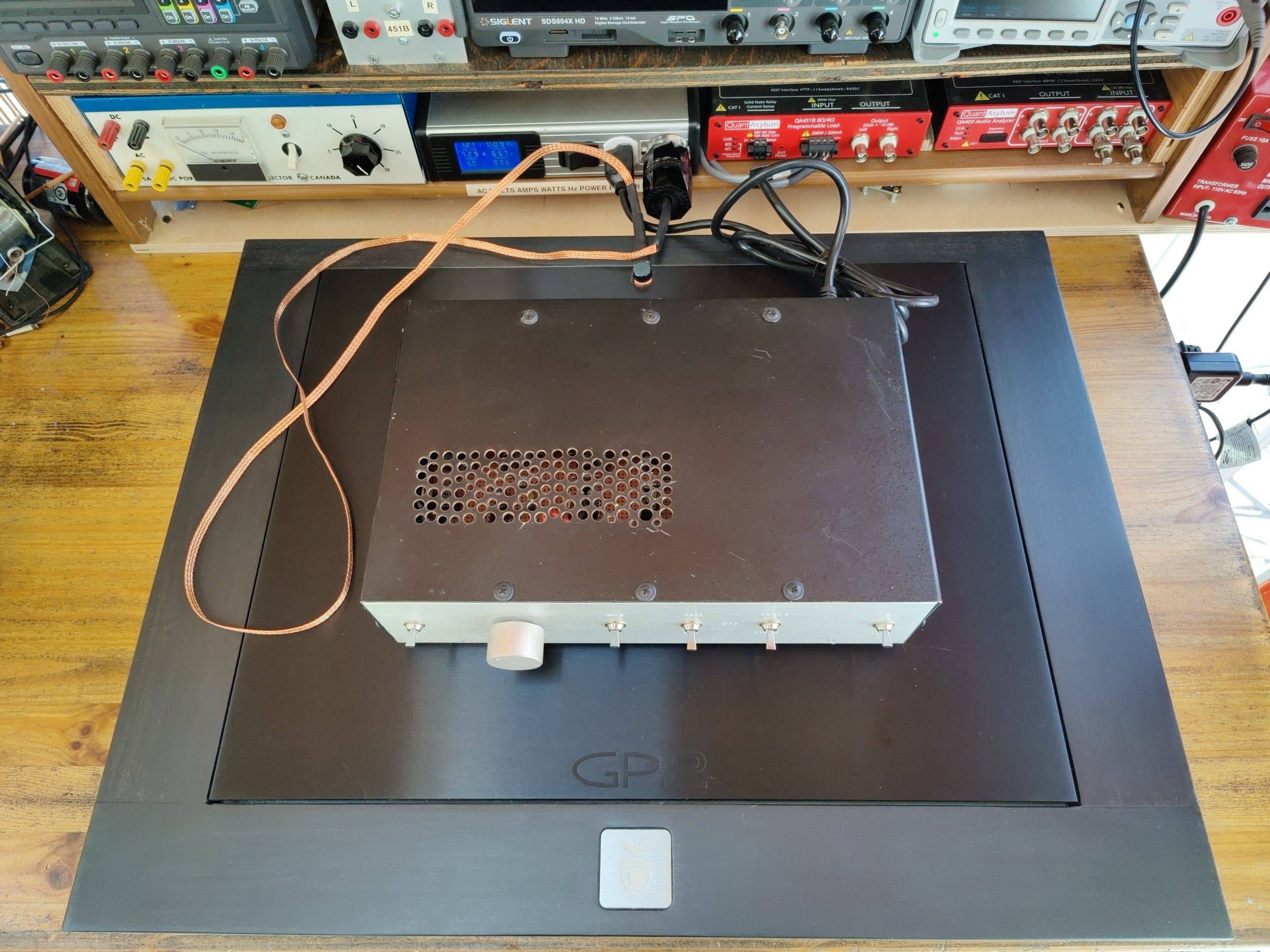
The TOUGH NUT GP2 is placed on a wooden table.
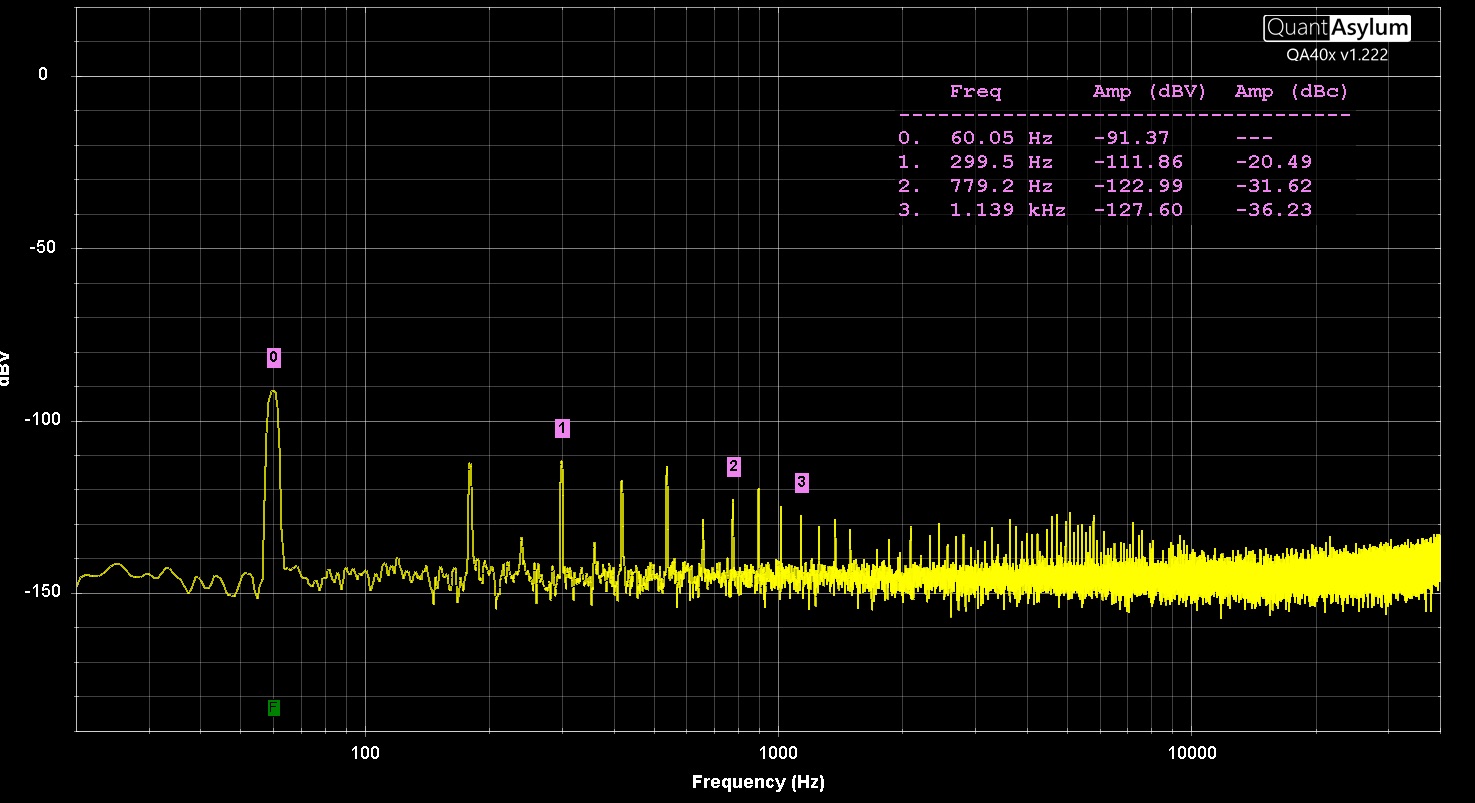
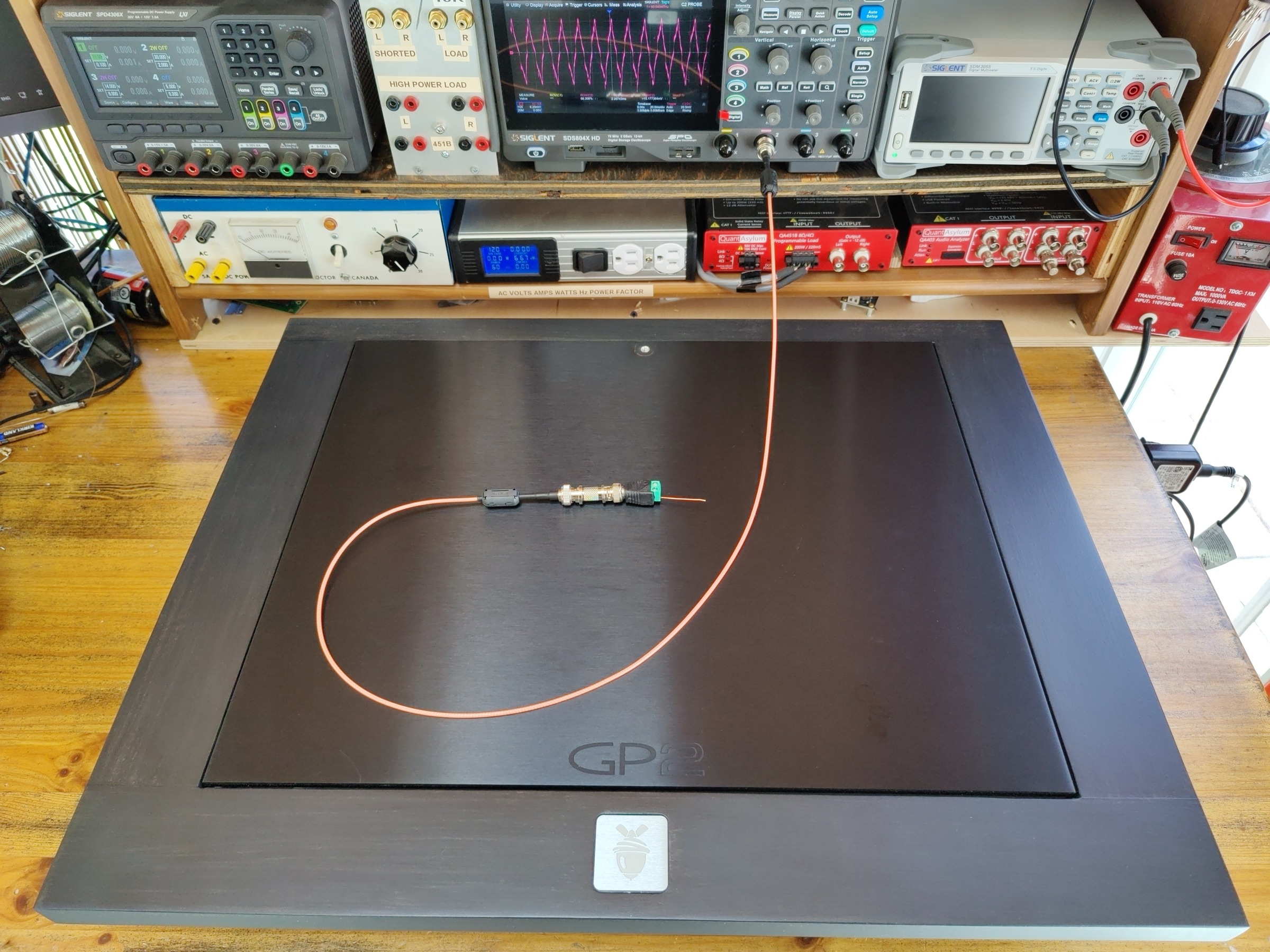
The preamplifier is placed on the centre of the TOUGH NUT GP2 Isolation Platform aluminum constraining plate.
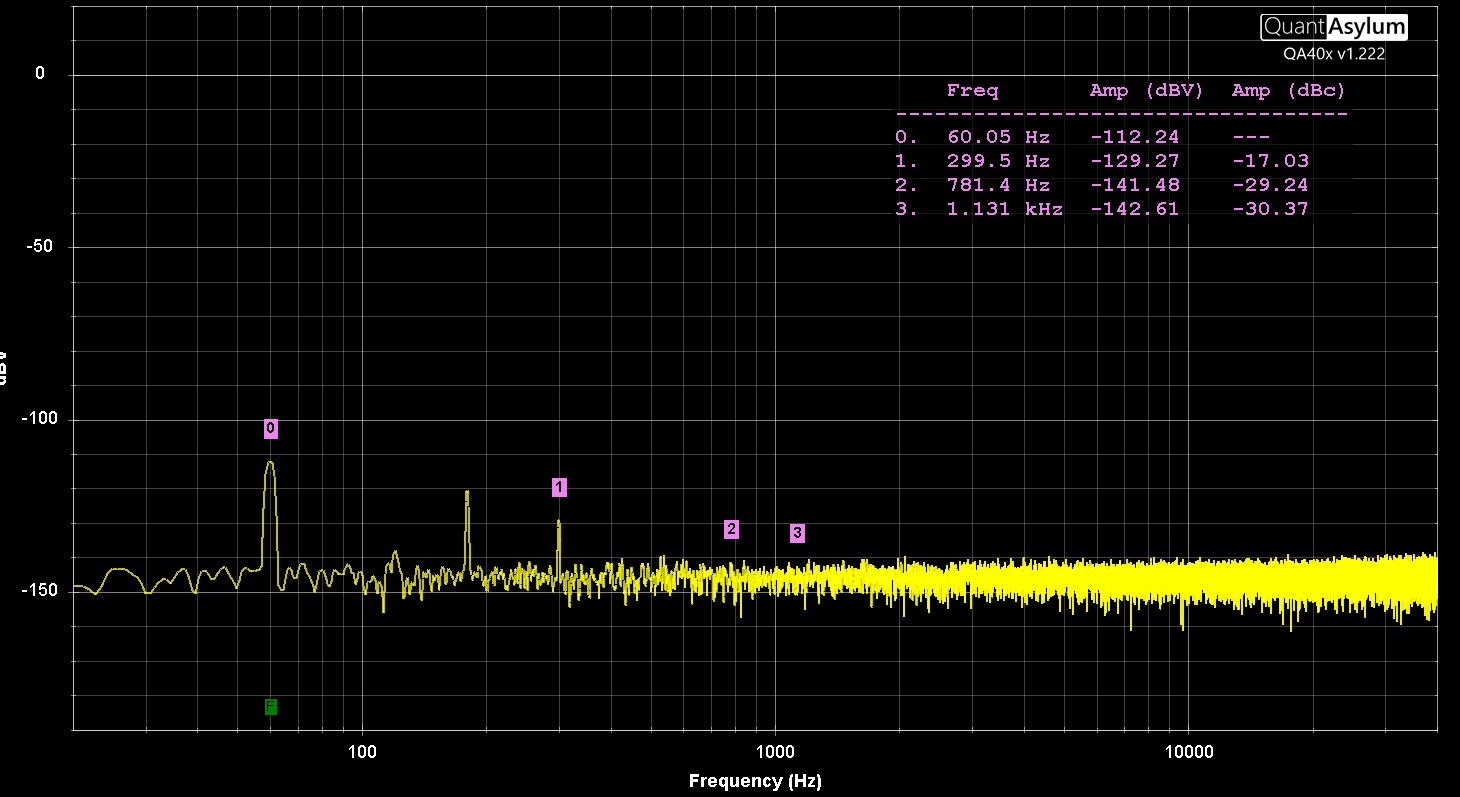
The input of the preamplifier is left open so noise can deliberately enter its circuits.
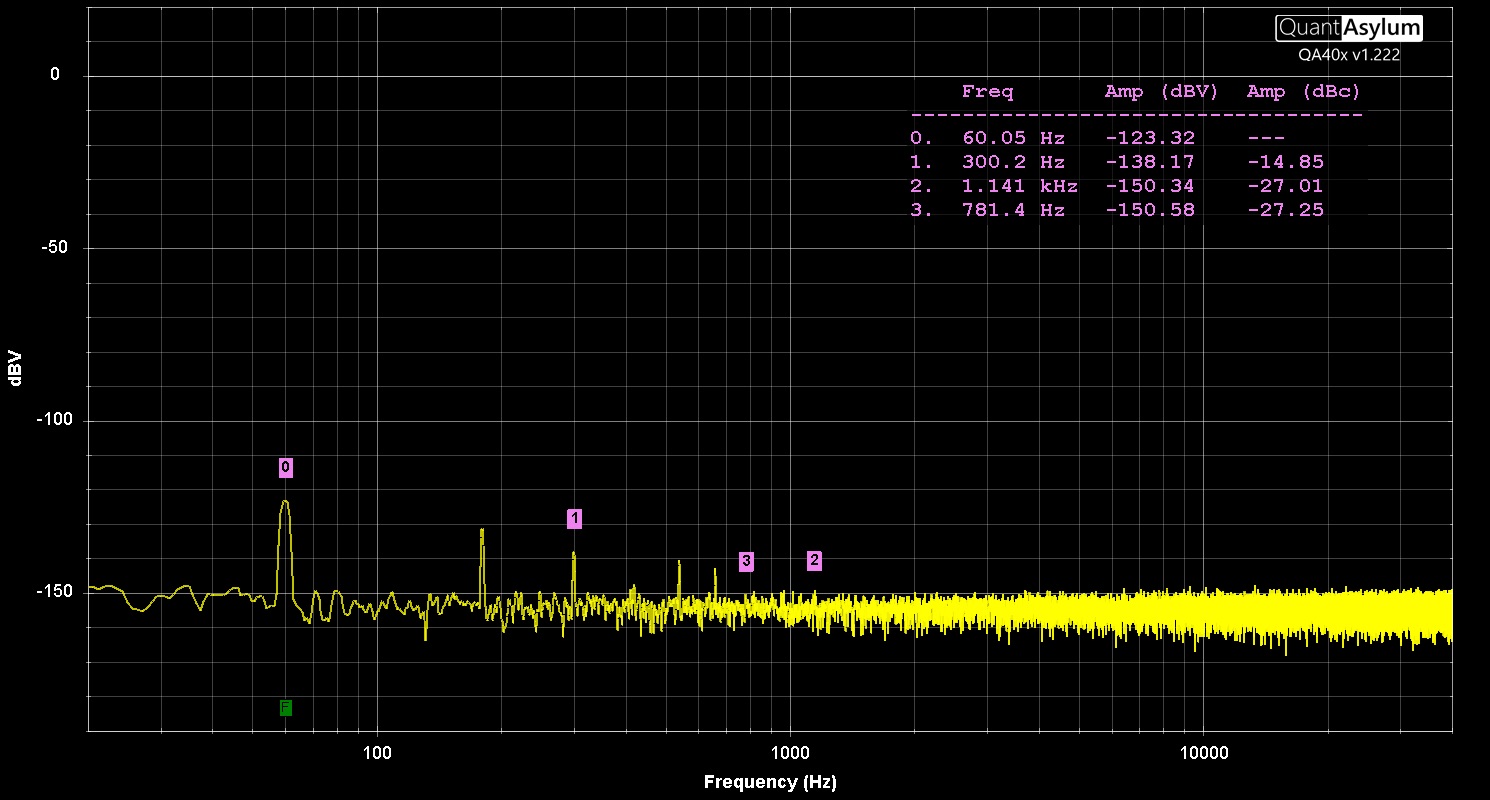
The input of the preamplifier with ground strap attached.
“Pretty impressive results considering that the ground strap is not connected to the preamplifier chassis.”
Open scope probe tests done on the aluminum constraining plate of the Tough Nut GP2 Isolation Platform.
GRAPH #5
Not grounded.
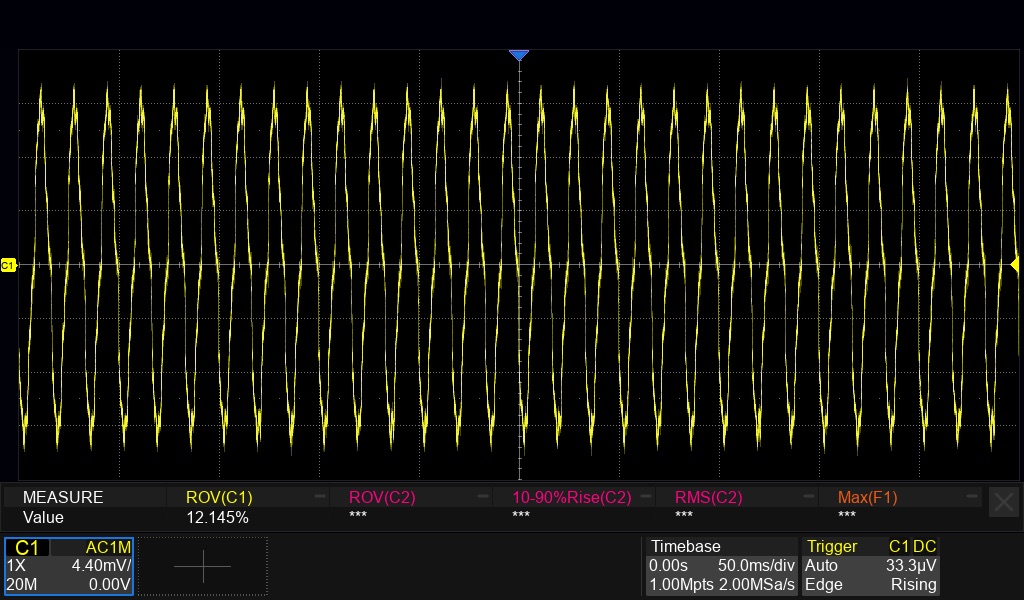
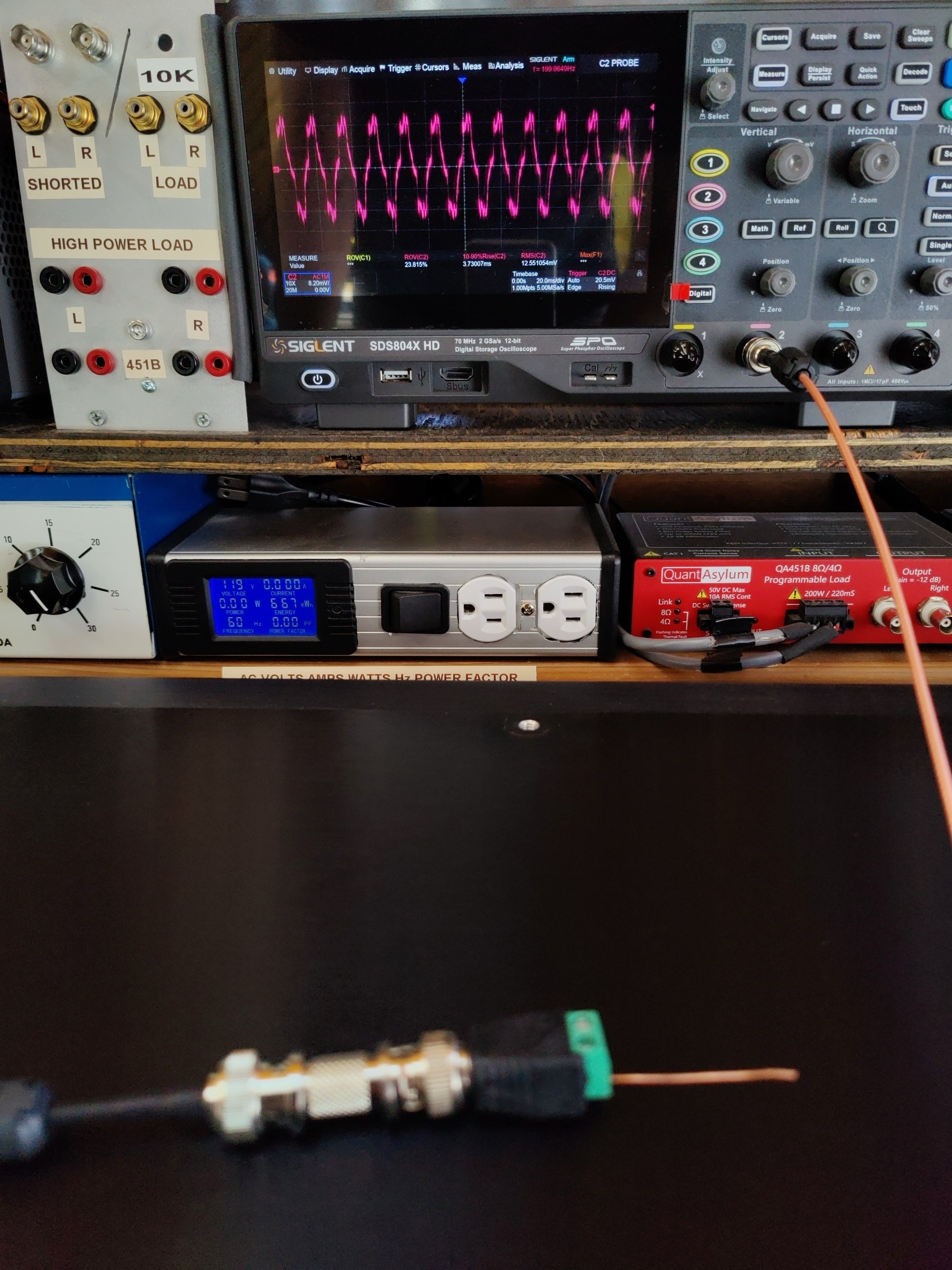
Grounded.
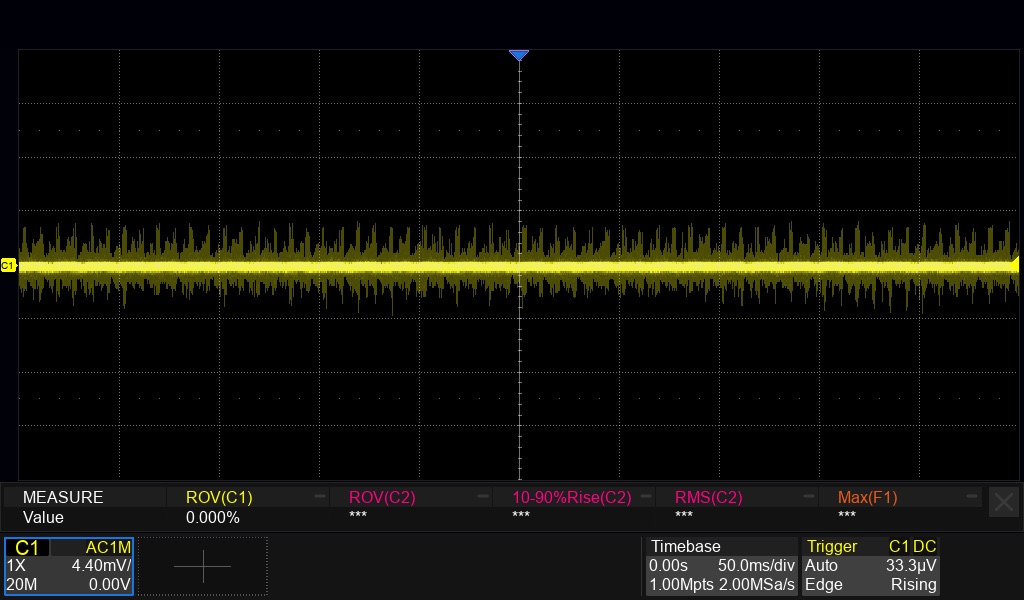
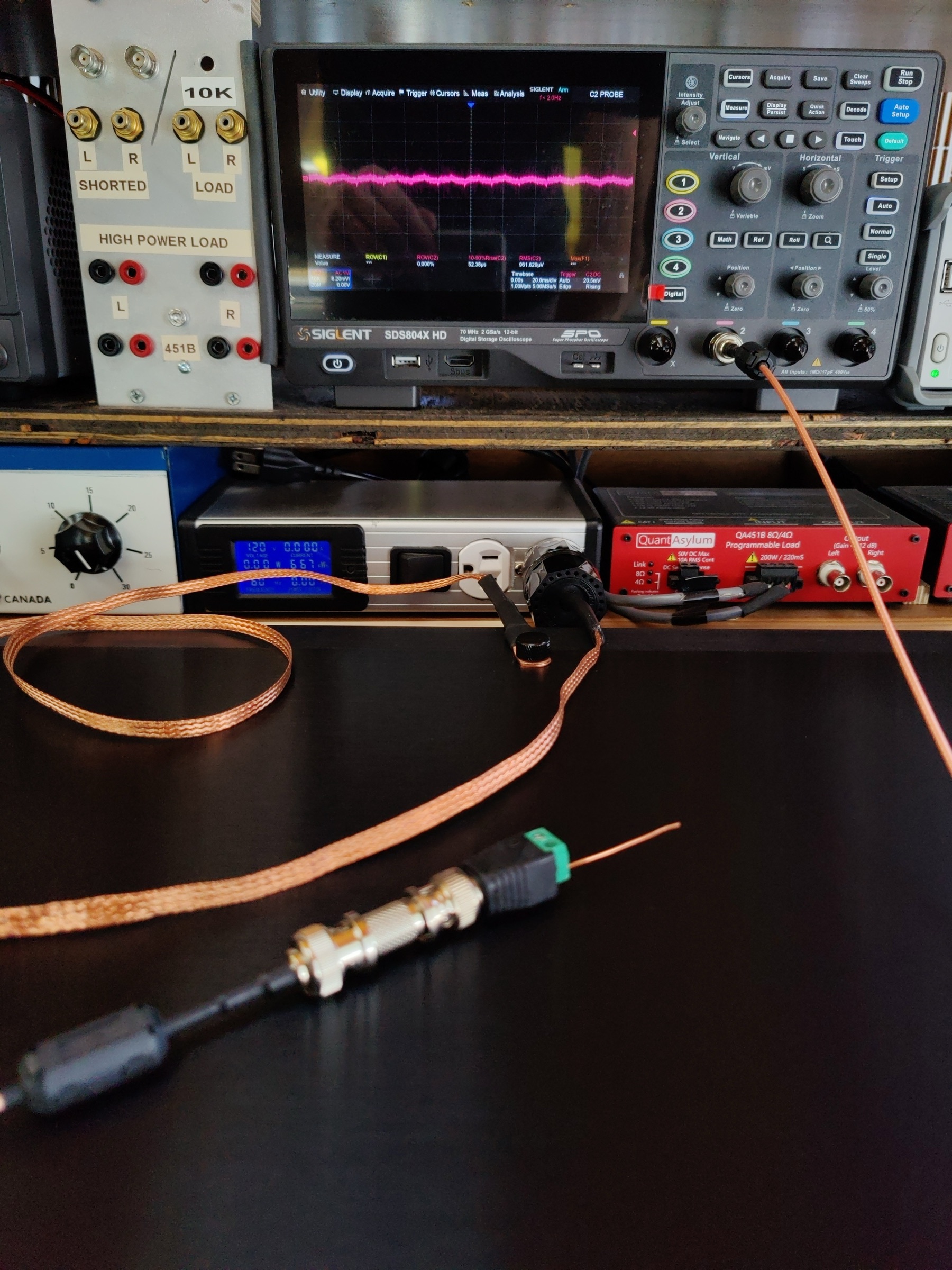
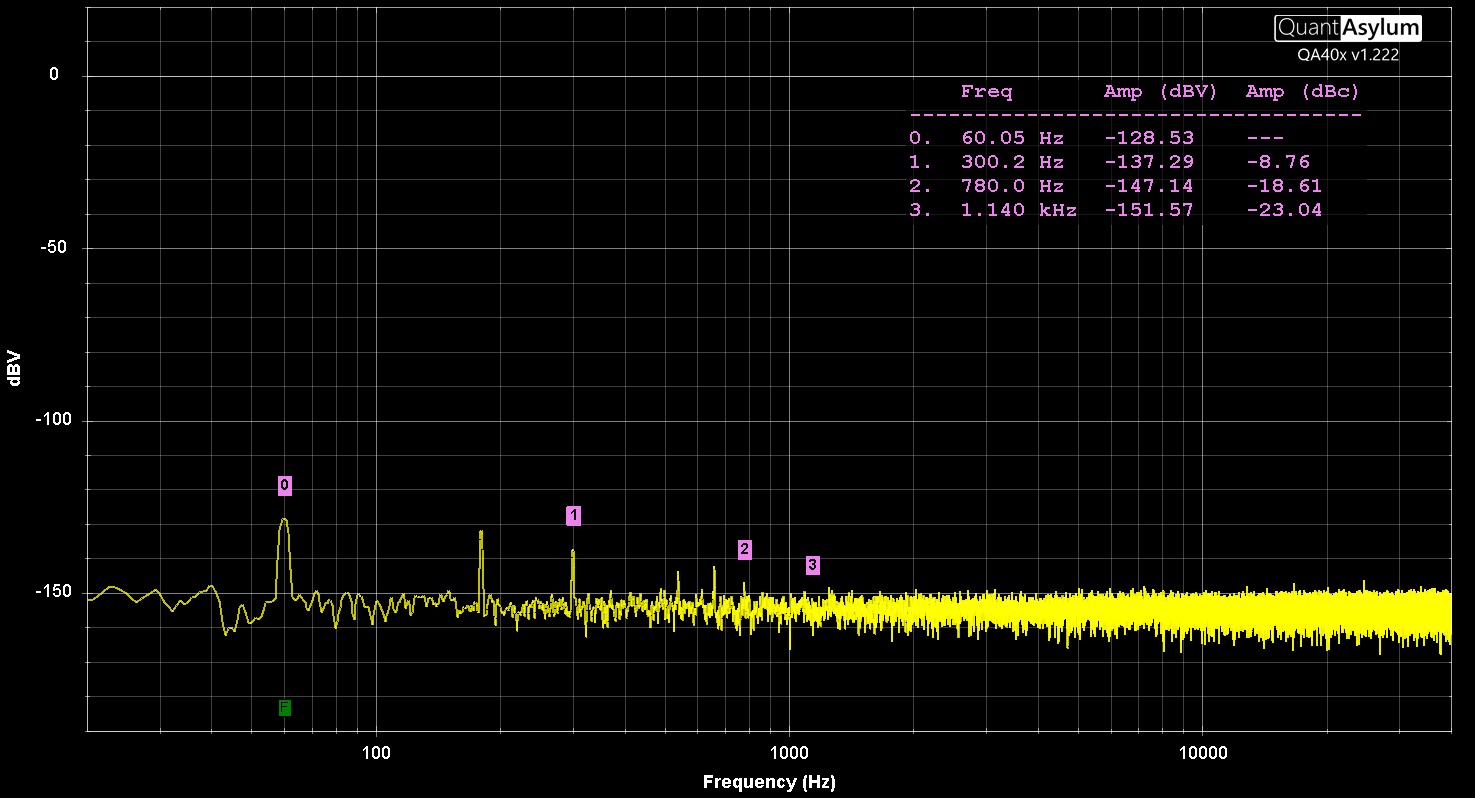
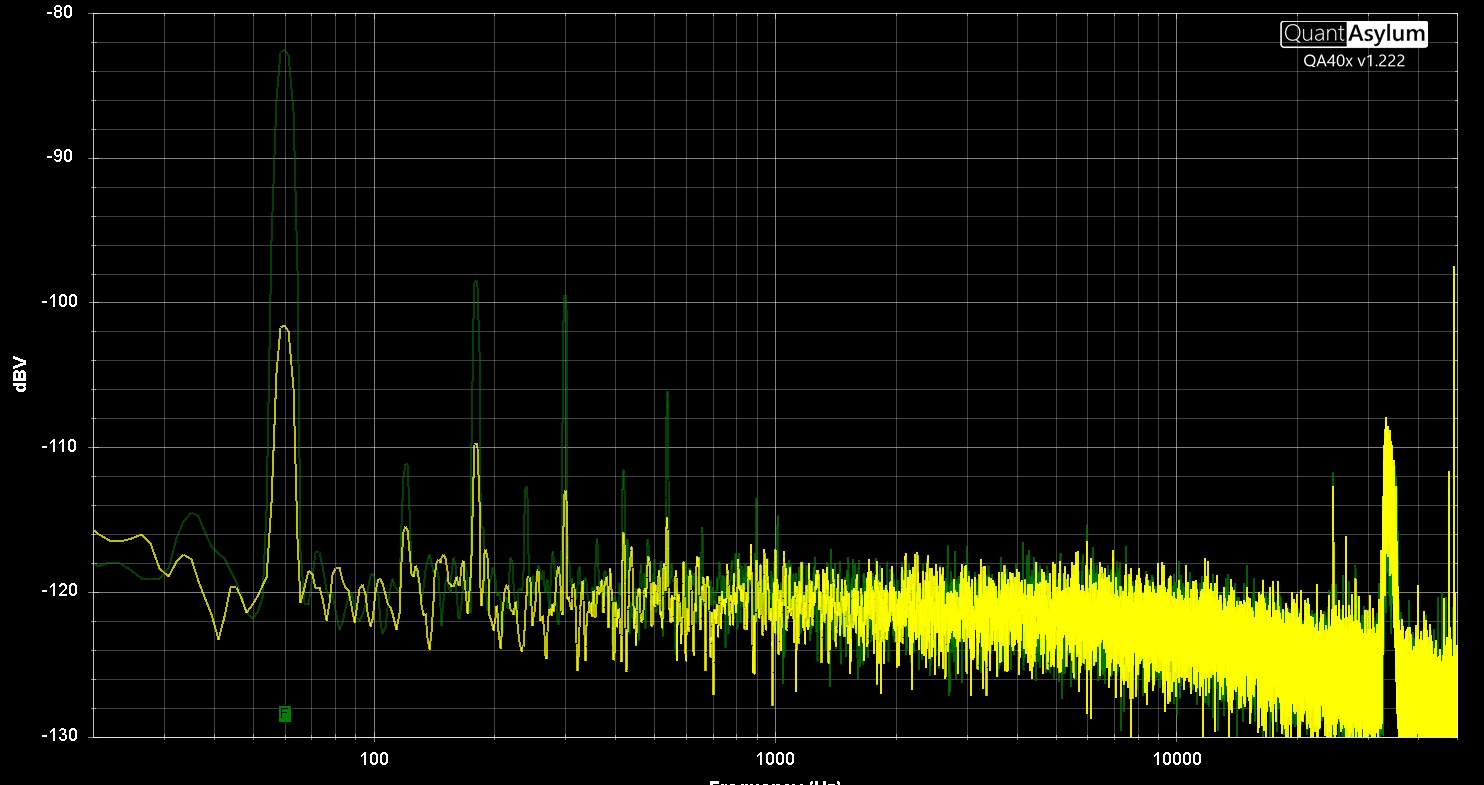
The graph below illustrates the noise spectrum picked up by the Quant Asylum audio analyzer on the surface of the GP2 using the same setup as the scope. The green spikes are GP2 not grounded and the yellow spikes are the GP2 grounded.
The difference is huge as we are looking at a dB scale and every 3dB is worth 50%. The graph shows anywhere from -6dB to -18dB. 18db is 1260% lower in noise and this is enormous. In audio terms this prepares the environment to let recorded room cues, reverb, decay and micro details to come through that were masked before. More there in other words.”
Green = not grounded, Yellow = grounded.
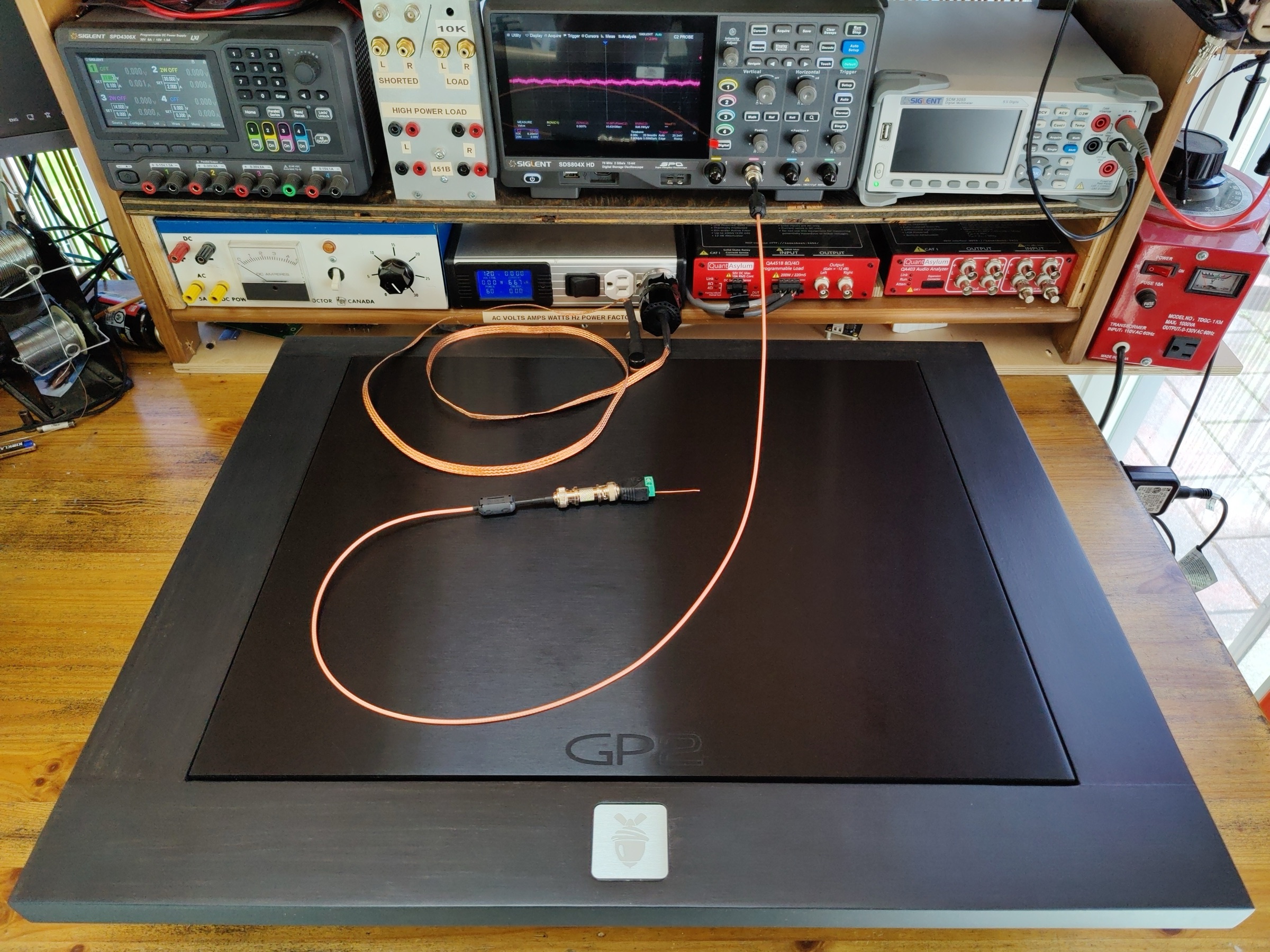
The GP2 is effectively draining RF currents picked up by the aluminum platform before they demodulate into audible buzz or hash and thus provides a quiet platform for your audio equipment.
Why width matters in ground straps.
At DC and low frequencies ( like 60mHZ hum), width has only a modest effect because resistance is already very low with copper.
At RF frequencies (above ~100 kHz, where most EMI/RFI problems occur in audio systems), inductance dominates the impedance. wider woven straps lower the inductance for the given length, which keeps the total impedance (Z ≈ R + jwL) much lower. Lower impedance means better shorting of noise currents to ground, less platform “floating” as an antenna, and less noise coupling into your audio gear.”
I can also say that I have done listening tests and my findings project a more haunting presentation with a nudge further int the music space, with sharper but velvety details emerging. Again, more coherence overall. I don’t hear any negatives which is rare when you try tweaks or modifications as there is usually a tradeoff. The GP2 is hard to do without once heard…Bravo !”
Sylvio Comtois
ArtistCloner